Elana Chasser
LCSW, CSAT, CPTT, CMAT
Looking For A Therapist (In Rockville Centre, NY)
10 Things To Look For When Looking For A Therapist
Specialization – Ensure the therapist has experience with the specific issues you're facing, whether it's addiction, anxiety, depression, trauma, relationships, or something else.
Credentials and Specialization – Look for a therapist with the right credentials (e.g., LCSW, LMFT, psychologist) and additional certifications in areas relevant to your needs. Many therapists pursue specialized training in areas such as trauma, addiction, or somatic therapy, which can be valuable if you're seeking support in a specific area. This ensures they have the expertise to address your unique challenges effectively.
Comfort and Trust – You should feel comfortable opening up to your therapist. A good connection and trust are crucial for a successful therapeutic relationship.
Approach and Techniques – Therapists often use different approaches (psychodynamic, mind-body, mindfulness-based, etc.). Choose someone whose methods resonate with you or seem effective for your needs.
Compatibility – Look for someone whose personality and style mesh well with yours. Feeling heard and respected can make all the difference.
Good Communication – Look for someone who listens actively, communicates clearly, and explains things in a way you can understand.
Non-judgmental Attitude – A therapist should create a safe, open space where you feel free to express yourself without fear of judgment.
Location and Accessibility – Choose a therapist whose location or online options are convenient, making it easier for you to attend sessions regularly.
Clear Session Goals – A good therapist should help you set clear, achievable goals for your therapy, making it easier to track your progress.
Comfortable Environment – Whether it’s an office setting or virtual, the environment should feel safe, welcoming, and conducive to your comfort and well-being.
When you're ready to seek therapy, finding the right therapist can significantly impact your healing journey. With so many therapists available, knowing exactly what to look for can make the process much easier. Here are ten key factors to consider to ensure you find the best therapist for your needs.
First, specialization matters greatly. It's important to find a therapist who has experience addressing the specific issues you're facing, whether it's anxiety, depression, addiction, trauma, or relationship challenges. Therapists who specialize in your area of concern will have the expertise and practical skills needed to effectively support your healing.
Next, credentials and specialized training are essential. Look for therapists with recognized qualifications such as Licensed Clinical Social Worker (LCSW), Licensed Marriage and Family Therapist (LMFT), or licensed psychologist. Additionally, therapists often pursue certifications in specialized areas like trauma-informed therapy, addiction counseling, or cognitive behavioral therapy (CBT), ensuring they have advanced knowledge to address your unique challenges.
Comfort and trust form the foundation of any successful therapeutic relationship. You should feel safe and at ease opening up about your thoughts and feelings. Trusting your therapist allows for deeper exploration and more meaningful progress in therapy, so pay attention to how comfortable you feel during initial interactions.
Therapists utilize various therapeutic approaches and techniques—ranging from psychodynamic therapy and mind-body practices to mindfulness-based interventions. It's beneficial to choose a therapist whose methodologies resonate with you personally. Understanding their approach beforehand can help you select someone whose style aligns with your preferences and goals.
Compatibility is another critical factor. Every therapist has a unique personality and communication style; finding someone whose demeanor meshes well with yours can significantly enhance your therapy experience. Feeling genuinely heard, respected, and understood by your therapist makes sessions more effective and enjoyable.
Good communication skills are indispensable in therapy. Look for a therapist who actively listens, clearly communicates insights or recommendations, and explains concepts in ways that make sense to you. Effective communication ensures that you fully understand the therapeutic process and feel empowered throughout your journey.
A non-judgmental attitude from your therapist creates a safe space where you can openly express yourself without fear of criticism or shame. Therapy should be an environment where vulnerability is encouraged, allowing you to explore difficult emotions freely and authentically.
Finally, practical considerations like location, accessibility, clear session goals, and a comfortable environment are vital. Choose a therapist whose office location or online availability fits conveniently into your schedule, making regular attendance manageable. Additionally, a good therapist will help establish clear, achievable goals for therapy sessions—allowing you to track progress effectively—and provide an environment (whether physical or virtual) that feels welcoming, safe, and conducive to healing.
By carefully considering these ten factors—specialization, credentials and training, comfort and trust, therapeutic approach, compatibility, good communication skills, non-judgmental attitude, convenient location or online access, clear session goals, and a comfortable environment—you can confidently select a therapist who will effectively support your journey toward emotional health and well-being.
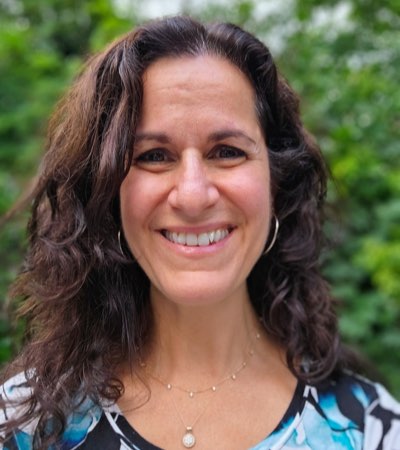
Elana Chasser,
LCSW, CSAT, CPTT, CMAT
About Elana Chasser
Working as clinical social worker for over 30 years.
Work history: Residential Treatment Facility for emotionally troubled adolescents, domestic violence shelter, outpatient mental health clinic – supervisory role, private practice since 2005.
LCSW Licensed-Clinical-Social-Worker
CSAT Certified-Sexual-Addiction-Therapist
CPTT Certified-Partner-Trauma-Therapist
CMAT Certified-Multiple-Addiction-Therapist
Licensed in:
New York and Massachusetts
Elana Chasser, LCSW, CSAT, CPTT, CMAT
516.489.2652